A meaningful portion of any audience faces some kind of barrier engaging with digital content, whether that’s a visual impairment affecting how they read a webpage, a hearing difference affecting video content, or simply a slower connection making heavy pages difficult to load. Accessibility has often been treated as an afterthought in marketing, addressed only after a complaint or a compliance concern arises. Artificial intelligence has made it far easier to build accessibility in from the start. At TrendWaltz UK, this has become a genuine part of how content gets planned, not a separate checklist tackled at the end.
This post looks at how AI supports more accessible marketing, and why treating accessibility as optional tends to quietly exclude a larger audience than businesses often realise.
Why Accessibility Gets Overlooked More Often Than It Should
Content is usually created with a specific, often unstated, assumption about how it’ll be consumed: read visually, watched with sound on, loaded on a fast connection. Businesses rarely intend to exclude anyone, but content built without accessibility in mind often does exactly that, quietly limiting who can genuinely engage with it. The audience affected is larger than most people assume, and the barrier is frequently avoidable with relatively small adjustments.
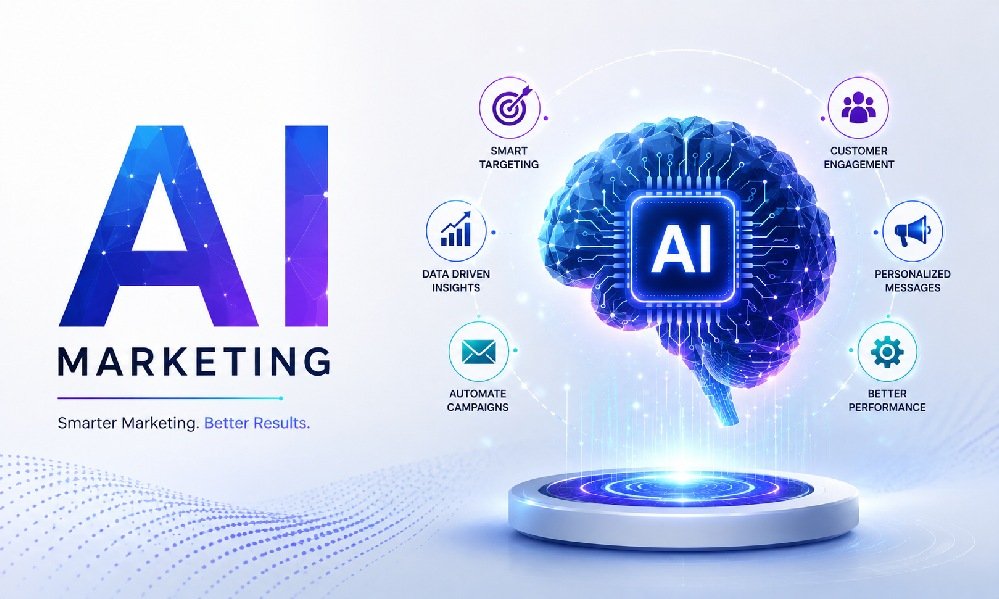
AI has made identifying and addressing these gaps considerably easier than it used to be. For TrendWaltz UK, this means accessibility checks have become a routine part of the content process rather than a separate, occasional audit.
Where AI Genuinely Helps With Accessibility
A few specific areas see clear improvement:
- Automatically generating accurate alt text for images, making visual content genuinely accessible to screen readers
- Producing captions and transcripts for video content quickly, rather than leaving that work as a manual afterthought
- Flagging colour contrast issues that might make text difficult to read for people with visual impairments
- Simplifying overly complex sentence structures where clarity would genuinely help a wider range of readers
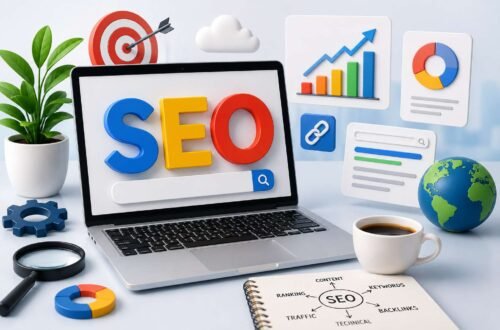
This kind of accessibility work strengthens written content generally, and it overlaps meaningfully with good practice within SEO services in UK, since accessible content, like properly structured headings and descriptive alt text, tends to be well-structured content that search engines also read and rank more effectively.
Why Video Accessibility Matters More Than It Used To
Video has become a significant part of most marketing strategies, and accessibility gaps here are particularly common, especially around captions and audio descriptions. AI-generated captions have made this far more manageable, supporting more inclusive content within SMO services in UK, where video content often gets consumed without sound in the first place, making captions genuinely useful for a much broader audience than just those with hearing differences.
TrendWaltz UK treats accessible video as a practical improvement for everyone, not a narrow accommodation for a small group, since a large share of social video is already watched muted by default.
Why AI-Generated Accessibility Work Still Needs Review
AI tools speed up a lot of accessibility work considerably, but the output isn’t always perfect. Auto-generated alt text can miss important context, and automated captions occasionally misinterpret specific terminology or names. Treating AI output as a finished product without review risks introducing new accessibility problems even while trying to solve others.
At TrendWaltz UK, AI-generated accessibility elements are always reviewed by a person before publishing, since accuracy matters just as much as simply having the feature present at all.
A Realistic Way to Start Improving Accessibility
Businesses don’t need to overhaul every piece of existing content immediately. Starting with new content going forward, ensuring images have proper alt text and videos include accurate captions, tends to build good habits before older content gets addressed gradually.
TrendWaltz UK generally recommends this forward-looking approach, since it avoids the overwhelming task of retroactively fixing everything at once while still making meaningful progress.
FAQs
1. Is marketing accessibility only relevant for a small portion of an audience?
No. Accessibility improvements, like captions and clear structure, tend to benefit a much wider audience than commonly assumed.
2. Can AI-generated captions be trusted without review?
Mostly, but occasional errors do occur, especially with specific terminology, so a quick human review is still worthwhile.
3. Does accessible content actually help with search rankings too?
Often, yes, since many accessibility best practices, like clear structure and descriptive alt text, also support strong search performance.
4. Is it expensive to make marketing content more accessible?
Not particularly, especially with AI tools handling much of the work that used to require significant manual time and effort.
5. Should older existing content be updated for accessibility too?
Ideally, yes, though starting with new content and addressing older material gradually tends to be a more manageable approach.