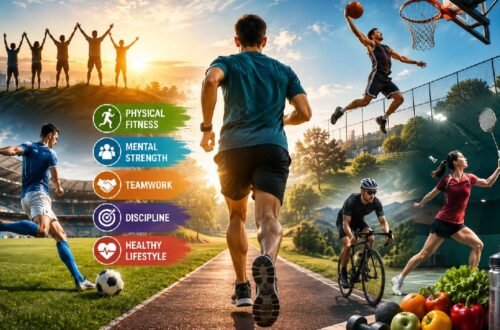

Sports have always been an important part of human culture. From traditional games played in local communities to professional competitions watched by millions of people, sports provide entertainment, physical activity, social connection, and opportunities for personal development.
Participating in sports does not require becoming a professional athlete. Children, teenagers, adults, and older people can all benefit from choosing activities that match their interests and physical abilities. Playing football, cricket, basketball, badminton, tennis, swimming, cycling, running, or other sports can make physical activity more enjoyable.
Why Sports Are Important
Sports encourage people to stay physically active while developing skills such as coordination, balance, speed, strength, and endurance.
Regular participation can also create a sense of routine. Instead of viewing exercise as a repetitive task, people may find sports more enjoyable because they involve competition, teamwork, challenges, and skill development.
Sports can also provide opportunities to meet new people and build friendships. Local clubs, schools, community groups, and recreational teams can bring people together through shared interests.
Choosing the Right Sport
There is no single sport that is best for everyone. The right choice depends on age, physical ability, interests, available facilities, and personal goals.
Someone who enjoys fast-paced activities may prefer football or basketball, while another person may prefer swimming, cycling, badminton, or running.
Trying different sports can help people discover activities they genuinely enjoy. Enjoyment is important because people are more likely to continue participating in an activity when they look forward to it.
Benefits of Team Sports
Team sports provide physical benefits while also developing communication and cooperation. Football, cricket, basketball, volleyball, hockey, and other team activities require players to work toward a shared objective.
Players learn that individual performance is connected to the performance of the entire team. Communication, trust, responsibility, and decision-making become important parts of the game.
Team sports can also teach people how to handle both success and disappointment. Winning can create excitement, while losing can provide valuable lessons about improvement and resilience.
Benefits of Individual Sports
Individual sports offer a different type of experience. Activities such as swimming, running, cycling, tennis, badminton, gymnastics, and athletics can allow participants to focus on their own performance.
Individual sports can encourage self-discipline because progress often depends on consistent practice.
Athletes may set personal goals such as improving speed, increasing endurance, learning a new technique, or achieving a better performance.
This can create a strong sense of personal achievement.
Sports and Physical Fitness
Different sports develop different aspects of fitness. Running and cycling can support cardiovascular endurance, while activities involving repeated jumps, changes of direction, or resistance can challenge muscles and coordination.
Sports also require movement skills. Players may need to accelerate, stop, change direction, maintain balance, and react quickly.
Regular training can gradually improve these abilities.
However, beginners should increase activity gradually. Attempting advanced training without appropriate preparation can place unnecessary stress on the body.
The Importance of Warm Ups
A proper warm-up can prepare the body for physical activity. Depending on the sport, a warm-up may include light movement, mobility exercises, and activity-specific movements.
For example, a football player may gradually increase running intensity and practice movements related to the game.
Warm-ups should be appropriate for the activity and individual. They should not be treated as a competition themselves.
Recovery and Rest
Training is only one part of sports performance. Recovery is equally important.
Rest allows the body to recover after physical activity. Sleep, appropriate nutrition, hydration, and lighter activity can all contribute to recovery.
Training without enough recovery may lead to excessive fatigue and make it difficult to maintain performance.
Athletes should therefore consider rest days and listen to their bodies when planning training schedules.
Nutrition for Active People
Food provides the energy needed for physical activity. People who participate in sports regularly may have different nutritional requirements depending on the sport, training volume, age, and individual circumstances.
A varied diet can include carbohydrates, protein sources, healthy fats, vegetables, fruits, whole grains, legumes, and adequate fluids.
The right balance can vary significantly between individuals. Athletes with specific performance goals may benefit from advice from a qualified sports nutrition professional.
Staying Hydrated During Sports
Hydration is particularly important during physical activity, especially in hot and humid environments.
Water requirements vary according to exercise duration, intensity, weather, body size, and individual factors.
Athletes should pay attention to their body’s needs and maintain appropriate fluid intake during daily activities and training.
In hot conditions, exercising during cooler parts of the day and taking appropriate breaks can also be important.
Sports Can Support Mental Well Being
Sports are not only about physical fitness. Participation can also provide opportunities for social interaction, achievement, recreation, and stress management.
Playing a favorite sport can provide a break from academic, professional, or everyday responsibilities.
Team environments can create a sense of belonging, while individual sports can provide quiet opportunities to focus on personal goals.
The experience differs from person to person, but enjoyable physical activity can be an important part of a balanced lifestyle.
Sports Teach Valuable Life Skills
Sports can teach skills that extend beyond the playing field. Discipline, patience, teamwork, communication, responsibility, and goal-setting are useful in education, careers, and personal life.
Athletes often need to practice repeatedly before mastering a particular skill. This teaches the importance of patience and gradual improvement.
Competition can also teach people how to handle pressure and respond when results do not go according to plan.
The Role of Technology in Sports
Technology is increasingly influencing sports. Wearable devices can track movement, heart rate, distance, speed, and other measurements.
Professional sports organizations also use advanced technology for performance analysis, injury prevention, training, broadcasting, and officiating.
For recreational athletes, fitness trackers and sports applications can provide useful information about activity levels and progress.
However, technology should support training rather than replace basic skills such as listening to the body and learning proper technique.
Making Sports Accessible
Sports should be accessible to people with different abilities, ages, and levels of experience.
Community programs, schools, recreational clubs, public facilities, and inclusive sporting organizations can provide opportunities for more people to participate.
The focus does not always need to be competition. Recreational sports can provide many of the same benefits while allowing participants to enjoy activity at their own pace.
Encouraging Children to Play Sports
Children can benefit from being introduced to a variety of physical activities. Sports can help develop coordination, movement skills, confidence, communication, and social interaction.
Parents and educators can encourage children to explore different activities instead of placing too much pressure on winning.
Enjoyment and skill development should remain important parts of youth sports.
A positive sporting environment can help children develop a long-term interest in physical activity.
Building a Sustainable Sports Routine
Consistency is more important than trying to become highly skilled immediately. Someone who plays a sport regularly at a comfortable level may gain more long-term benefit than someone who trains extremely hard for a short period and then stops.
Creating a realistic schedule can make participation easier.
People with busy schedules can choose shorter sessions or recreational games that fit around work, study, and family responsibilities.
The best sporting activity is often the one that can be enjoyed and maintained over time.
Conclusion
Sports provide an enjoyable way to stay active while developing physical abilities, social connections, discipline, confidence, and valuable life skills.
Whether someone participates in team sports or individual activities, recreational games or competitive events, the important goal is to remain active and enjoy the experience.
A balanced approach should include appropriate training, warm-ups, recovery, nutrition, hydration, and realistic goals.
Sports do not have to be about winning every competition. They can also be about learning, improving, meeting people, staying healthy, and enjoying movement.
With the right activity and a sustainable routine, sports can become an important and rewarding part of everyday life.
Frequently Asked Questions
Why are sports important?
Sports encourage physical activity and can help develop strength, endurance, coordination, teamwork, discipline, and other useful skills.
Which sport is best for beginners?
There is no single best sport. Beginners can choose activities they enjoy and that match their physical abilities, available facilities, and personal interests.
Are team sports beneficial?
Yes. Team sports can develop communication, cooperation, responsibility, decision-making, and social connections while providing physical activity.
Are individual sports useful?
Individual sports can support physical fitness while encouraging self-discipline, personal goal-setting, concentration, and independent improvement.
Why is a warm-up important?
A suitable warm-up can gradually prepare the body for physical activity and introduce movements relevant to the sport.
Why is recovery important for athletes?
Recovery gives the body time to adapt after physical activity. Sleep, nutrition, hydration, and rest can all contribute to recovery.
Do sports help mental well-being?
Sports can provide opportunities for enjoyment, social connection, achievement, recreation, and stress management, although individual experiences vary.
How can children benefit from sports?
Sports can help children develop movement skills, coordination, confidence, communication, teamwork, and an interest in physical activity.
Is technology useful in sports?
Technology can help track performance and support training through wearable devices, video analysis, fitness applications, and other tools.
How can someone stay consistent with sports?
Choosing an enjoyable activity, creating a realistic schedule, setting manageable goals, and allowing enough recovery can make regular participation easier to maintain.