
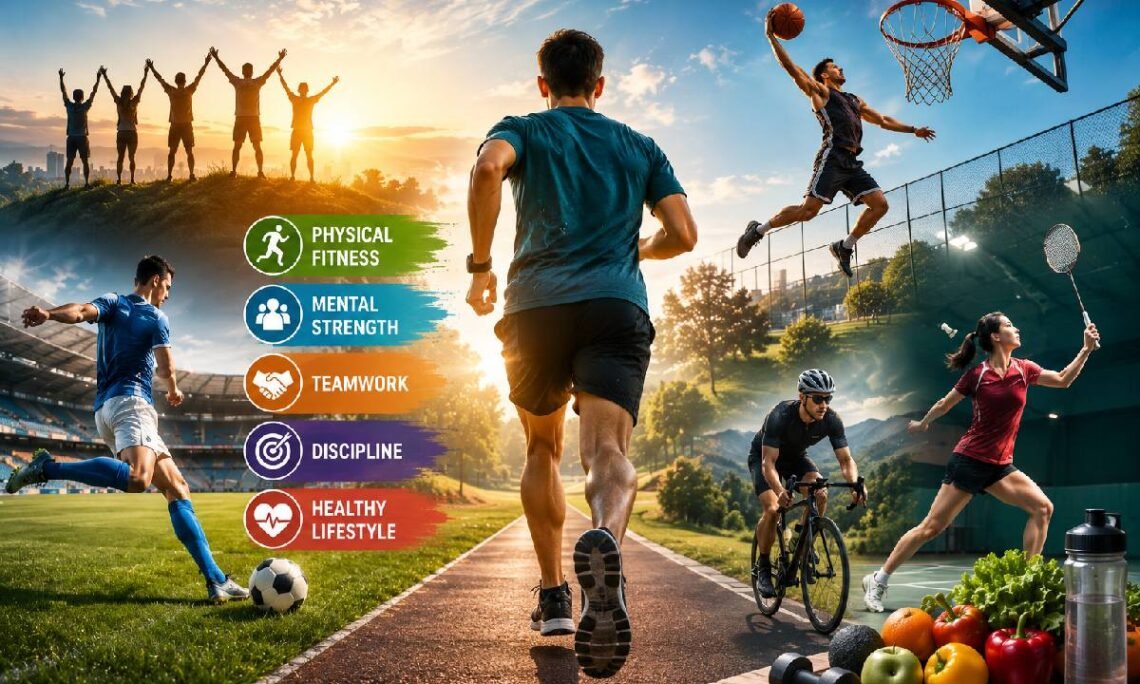
Sports are more than competitions between athletes. They are an important part of an active lifestyle and can provide opportunities for physical fitness, social connection, discipline, recreation, and personal development. From children playing games at school to professional athletes competing on international stages, sports bring people together through shared interests and goals.
People participate in sports for many different reasons. Some want to improve their fitness, others enjoy competition, while many simply like spending time with friends and being active. Regardless of the reason, finding a sport that fits personal interests can make regular physical activity more enjoyable.
Sports as a Form of Daily Activity
Modern lifestyles often involve long periods of sitting. Work, education, commuting, entertainment, and digital devices can reduce opportunities for movement during the day.
Sports provide a natural way to increase physical activity. Running, football, cricket, badminton, basketball, tennis, swimming, cycling, and other activities involve different forms of movement.
Regular participation can support endurance, coordination, strength, balance, and mobility. The amount of activity needed can vary depending on the individual and the sport.
Choosing Sports According to Personal Interests
People are more likely to remain active when they enjoy what they are doing. Choosing a sport simply because it is popular may not lead to long-term participation if the activity does not match personal interests.
Someone who enjoys outdoor activities might prefer cycling, running, football, or cricket. People who prefer indoor activities may enjoy badminton, table tennis, basketball, or other sports.
Trying several activities can help people discover what they enjoy most. It can also prevent exercise from becoming repetitive.
How Team Sports Build Social Connections
Team sports create opportunities for people to work together toward a common goal. Football, cricket, basketball, volleyball, hockey, and similar sports require communication and cooperation.
Players learn to understand their teammates, share responsibilities, and make decisions quickly.
Team environments can also create friendships. Regular training and matches provide opportunities for people to interact and develop connections beyond the playing field.
For children and young people, team sports can be particularly useful for developing communication and social skills.
Individual Sports Encourage Personal Growth
Individual sports offer a different experience. Activities such as running, swimming, cycling, athletics, gymnastics, tennis, and badminton can encourage participants to focus on personal progress.
Instead of comparing performance only with other competitors, athletes can measure improvement against their previous results.
Running a longer distance, improving technique, increasing speed, or learning a new skill can provide a strong sense of achievement.
This approach can teach patience because meaningful improvement often requires regular practice over time.
Sports and Physical Strength
Different sports place different demands on the body. Some require explosive movements, while others emphasize endurance, coordination, flexibility, or speed.
Strength can be useful in many sports because athletes often need to accelerate, change direction, maintain balance, or control their body during movement.
Strength training may also complement sports participation when appropriately designed. However, training should be suitable for the person’s age, experience, sport, and physical condition.
Improving Endurance Through Sports
Endurance allows a person to continue physical activity for longer periods. Sports such as running, swimming, cycling, football, and basketball can challenge cardiovascular endurance.
Endurance usually develops gradually. Someone who is new to exercise should avoid increasing activity too quickly.
Training consistently at an appropriate level can help the body adapt over time.
Different sports can provide different types of endurance training, so the best approach depends on the specific activity and individual goals.
The Role of Skill and Technique
Fitness alone does not guarantee good sports performance. Technique is equally important.
A cricket player needs to understand batting, bowling, or fielding techniques. A football player needs to develop passing, dribbling, positioning, and decision-making skills.
Learning correct technique can improve efficiency and help athletes perform movements more effectively.
Beginners should focus on learning fundamentals before trying advanced techniques.
The Importance of Proper Equipment
Appropriate equipment can improve comfort and support participation. Depending on the sport, this may include suitable footwear, protective equipment, clothing, rackets, balls, helmets, gloves, or other gear.
Equipment should be selected according to the activity and the participant’s needs.
For sports involving significant physical contact or speed, appropriate protective equipment is particularly important.
Equipment should also be maintained and replaced when it becomes damaged or no longer provides suitable protection.
Nutrition and Sports Performance
Food provides energy for physical activity and supports recovery. People who regularly participate in sports should pay attention to overall nutrition.
A varied diet can include carbohydrates, protein, vegetables, fruits, whole grains, legumes, healthy fats, and appropriate fluids.
The nutritional requirements of a professional endurance athlete can be very different from those of someone who plays recreational sports a few times each week.
People with specific performance or dietary goals may benefit from guidance from a qualified professional.
Hydration During Physical Activity
Hydration is particularly important when participating in sports, especially during long sessions or hot weather.
Water requirements vary depending on exercise duration, intensity, temperature, humidity, body size, and other factors.
Athletes should consider environmental conditions when planning outdoor activities. During very hot periods, choosing cooler times of day and taking appropriate breaks can make physical activity more manageable.
Recovery Is Part of Training
Rest should not be considered the opposite of training. It is an important part of a complete sports routine.
After physical activity, the body needs time to recover. Sleep, nutrition, hydration, and appropriate rest can support this process.
Training too frequently without sufficient recovery can result in excessive fatigue and reduced performance.
A balanced routine should therefore include both active training and recovery periods.
Technology Is Changing Sports
Technology has become increasingly important in modern sports. Wearable devices can track distance, speed, heart rate, movement, and other measurements.
Coaches and professional teams can use video analysis and data to understand player performance and identify areas for improvement.
Technology is also influencing broadcasting and fan experiences. Digital platforms allow people to follow matches, watch highlights, access statistics, and communicate with other fans from almost anywhere.
For recreational athletes, technology can provide useful motivation and progress tracking.
Sports and Mental Discipline
Sports can encourage discipline because improvement usually requires regular practice. Athletes may need to train even when motivation is not especially high.
Competition can also teach people how to deal with pressure, disappointment, mistakes, and unexpected results.
Learning to recover after a poor performance can be just as valuable as celebrating a successful one.
These experiences can develop patience and resilience that may be useful outside sports.
Making Sports Accessible to Everyone
Sports should be available to people with different abilities, ages, backgrounds, and levels of experience.
Community programs, schools, recreational clubs, public facilities, and inclusive sporting organizations can help create opportunities for wider participation.
Not everyone needs to compete at a professional level. Recreational participation can provide physical activity and enjoyment without the pressure of high-level competition.
Encouraging a Long Term Interest in Sports
Developing a long-term relationship with sports often begins with enjoyment. Children who have positive experiences with physical activity may be more likely to remain active as they grow older.
Adults can also rediscover sports by joining local groups, playing recreational matches, attending classes, or trying new activities.
The objective is not always to become the best player. Staying active and enjoying the experience can be valuable goals in themselves.
Conclusion
Sports provide much more than entertainment. They can support physical fitness, social relationships, personal discipline, confidence, coordination, and lifelong healthy habits.
Team sports can teach cooperation and communication, while individual activities can encourage personal responsibility and self-improvement.
A successful sports routine should combine appropriate activity with proper technique, nutrition, hydration, equipment, and recovery.
Whether someone plays competitively or simply participates for fun, sports can become a rewarding part of everyday life. Finding an activity that is enjoyable and sustainable is one of the best ways to make physical activity a long-term habit.
Frequently Asked Questions
Why should people participate in sports?
Sports provide opportunities for physical activity, skill development, social interaction, recreation, discipline, and personal growth.
Which sports are suitable for beginners?
Beginners can choose activities such as walking, swimming, cycling, badminton, recreational cricket, football, tennis, or other sports that match their interests and physical abilities.
What are the benefits of team sports?
Team sports can develop communication, cooperation, decision-making, responsibility, and social connections while providing physical activity.
What can individual sports teach?
Individual sports can encourage self-discipline, personal goal-setting, concentration, patience, and independent improvement.
Why is sports technique important?
Good technique can help athletes perform movements efficiently and develop skills appropriate to their sport.
What equipment is needed for sports?
Equipment depends on the activity. Common examples include suitable footwear, clothing, protective gear, balls, rackets, helmets, and other sport-specific equipment.
Why do athletes need recovery?
Recovery allows the body to adapt after physical activity and can help manage fatigue. Sleep, nutrition, hydration, and rest all contribute to recovery.
How does technology help athletes?
Technology can provide performance data, video analysis, fitness tracking, training information, and other tools that can support athletic development.
Can sports improve social skills?
Team and group activities can create opportunities to communicate, cooperate, share responsibilities, and build relationships with other participants.
How can people stay interested in sports?
Choosing enjoyable activities, trying different sports, setting realistic goals, participating with friends, and keeping competition at an appropriate level can help maintain long-term interest.