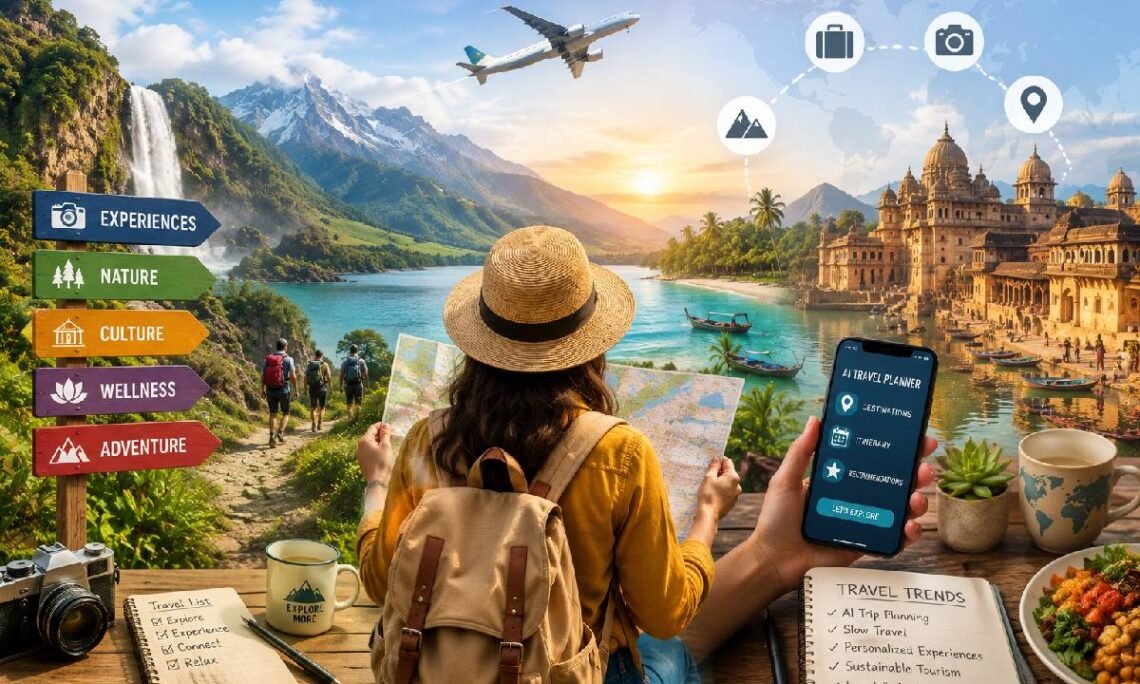
Travel is becoming more than simply visiting famous landmarks and taking photographs. Modern travellers are increasingly looking for meaningful experiences, local culture, nature, relaxation, food, wellness, and activities that match their personal interests.
Travel behaviour in India is particularly interesting. A 2026 Allianz Partners study found that 87% of Indian travellers planned to travel during the summer, while 60% preferred taking holidays within India. The same research found that many Indian travellers are using or planning to use artificial intelligence for vacation planning.
These changes are influencing not only where people travel but also how they plan trips, choose accommodation, manage budgets, and experience destinations.
Domestic Travel Is Becoming More Popular
India offers an enormous variety of travel experiences without requiring international flights. Mountains, beaches, forests, deserts, historical cities, spiritual destinations, wildlife areas, and coastal communities provide options for different types of travellers.
Domestic travel can also be easier to organize because travellers may already understand local languages, food, transportation systems, and cultural practices.
Recent research suggests that Indian travellers are showing particularly strong interest in domestic holidays, with many choosing to explore destinations within the country.
For families, couples, solo travellers, and groups of friends, domestic travel can provide flexibility while allowing them to discover less familiar parts of India.
Travellers Are Looking for Meaningful Experiences
One of the biggest changes in modern travel is the shift from sightseeing to experiences. Travellers increasingly want to participate in activities rather than simply visit attractions.
This could involve learning local cooking, exploring traditional markets, staying with local communities, attending cultural events, hiking through natural landscapes, or learning about regional crafts.
Travel trends for 2026 also highlight a growing interest in niche and personalized journeys designed around specific interests and life experiences.
This approach can make a trip feel more personal because the itinerary is built around what the traveller actually enjoys.
Slow Travel Is Gaining Attention
Fast-paced holidays can involve visiting several destinations within a short period. While this allows travellers to see many places, it can also create a tiring schedule.
Slow travel offers a different approach. Instead of rushing between attractions, travellers may stay longer in one destination and spend more time understanding the local environment.
A slower itinerary can include exploring neighbourhoods, visiting local cafés, walking through markets, spending time in nature, or simply enjoying the atmosphere of a destination.
This can make travel feel less like a checklist and more like an opportunity to experience everyday life.
Artificial Intelligence Is Changing Trip Planning
Technology is becoming an increasingly important part of travel planning. Travellers can use online platforms to compare flights, accommodation, activities, transportation options, and reviews.
Artificial intelligence is taking this further by helping people create itineraries, discover destinations, organize activities, and find travel suggestions according to their preferences.
The 2026 Allianz Partners research found that 82% of Indian travellers planned to use or had already used AI to plan vacations.
AI can save time, but travellers should still verify important information such as opening hours, transportation schedules, visa requirements, weather conditions, cancellation policies, and local restrictions.
Nature Travel Continues to Attract Visitors
Nature-based travel remains popular among people looking for relaxation and outdoor experiences. Mountains, beaches, forests, lakes, deserts, waterfalls, and wildlife areas can provide opportunities to disconnect from busy routines.
Nature travel can include hiking, camping, wildlife watching, cycling, photography, boating, stargazing, or simply spending time outdoors.
Travellers should also consider the environmental impact of visiting natural areas. Following local rules, avoiding litter, respecting wildlife, and supporting responsible tourism businesses can help protect destinations.
Wellness Travel Is Becoming More Popular
Travel and wellness are increasingly connected. Some travellers choose destinations specifically because they provide opportunities for rest, healthy food, yoga, meditation, spa treatments, fitness activities, or time in nature.
Wellness travel does not necessarily require an expensive resort. A quiet destination, comfortable accommodation, healthy meals, walking routes, and time away from digital distractions can create a relaxing experience.
The growing interest in personalized travel also supports wellness-focused trips designed around individual needs and interests.
Cultural Tourism Offers Deeper Experiences
Cultural tourism allows travellers to understand the history, traditions, architecture, food, music, art, and everyday life of a destination.
India is particularly suited to cultural travel because different regions have their own traditions, languages, cuisines, festivals, crafts, architecture, and historical influences.
Government initiatives are also placing greater emphasis on developing cultural and heritage destinations. India’s 2026 tourism planning includes development of archaeological and cultural sites to create more immersive visitor experiences.
Travellers can contribute to local communities by choosing local guides, restaurants, artisans, and accommodation providers where appropriate.
Travel Is Becoming More Personalized
Not every traveller wants the same holiday. Some people prefer adventure, while others want relaxation. Some enjoy history and museums, while others prefer beaches, food, shopping, or outdoor activities.
Personalized travel allows people to create itineraries according to their interests.
A family with children may prioritize comfortable transportation and family-friendly attractions. A solo traveller might focus on cultural exploration and flexibility. Couples may prefer romantic stays and scenic destinations.
Personalization can make travel more enjoyable because the trip is designed around the traveller rather than a standard package.
Responsible Travel Is Becoming More Important
Tourism can create economic opportunities for local communities, but excessive tourism can also place pressure on destinations.
Crowded attractions, traffic, waste, water consumption, and damage to natural areas can create challenges.
Responsible travel encourages visitors to respect local communities, cultures, wildlife, and natural environments.
Simple choices can make a difference. Travellers can avoid unnecessary waste, follow local rules, respect religious and cultural sites, use public transportation where practical, and support local businesses.
Travel Safety Deserves More Attention
Travel planning should always include safety considerations. Weather, transportation conditions, local regulations, health requirements, political situations, and other factors can affect a trip.
This is particularly important during extreme weather conditions. For example, India’s current monsoon period is producing heavy rainfall across several regions, with authorities warning of potential travel disruptions and flood risks in some areas.
Travellers should check reliable weather and official travel information before starting a journey, especially when visiting mountains, remote areas, or regions experiencing severe weather.
Food Is Becoming a Major Part of Travel
Food can be one of the most memorable parts of a trip. Local cuisine provides an opportunity to understand the culture and history of a destination.
Travellers are increasingly interested in authentic local dishes rather than relying only on familiar restaurant chains.
Street food, regional specialties, local markets, cooking classes, traditional restaurants, and food festivals can all become part of a travel experience.
Trying local food can also introduce travellers to ingredients and cooking methods they may never encounter at home.
Short Getaways Are Growing
Not every trip needs to last for a week or longer. Short weekend getaways can provide a convenient way to take a break from work and routine.
People living in large cities can often find nearby destinations suitable for short trips.
Short travel can include hill stations, beaches, heritage towns, nature retreats, wellness stays, or nearby cultural attractions.
Recent travel coverage has also highlighted growing interest in distinctive short-break destinations that offer experiences beyond traditional resort holidays.
The Future of Travel
The future of travel is likely to become increasingly personalized, technology-driven, experience-focused, and conscious of sustainability.
Artificial intelligence may make trip planning faster, while digital platforms will continue connecting travellers with accommodation, transportation, activities, restaurants, and local experiences.
At the same time, travellers may increasingly look for authenticity rather than simply visiting the most famous destinations.
The most memorable journeys may be those that combine comfort with discovery and allow travellers to connect with people, places, cultures, and experiences.
Conclusion
Travel is changing from a simple process of visiting destinations into a more personalized experience. Domestic tourism, slow travel, wellness, cultural exploration, nature-based experiences, AI-assisted planning, and responsible tourism are influencing how people plan their journeys.
Indian travellers are showing strong interest in both domestic and experience-led travel, while technology is making it easier to discover and organize trips.
The best travel experience does not necessarily require visiting the most expensive or famous destination. A thoughtfully planned trip that matches personal interests can create lasting memories.
Whether it is a short weekend escape, a family holiday, a solo adventure, or a long international journey, travelling with curiosity, preparation, and respect can make the experience more meaningful.
Frequently Asked Questions
What are the biggest travel trends?
Major trends include domestic tourism, slow travel, personalized experiences, wellness trips, nature travel, cultural tourism, AI-assisted planning, short getaways, and responsible tourism.
Why is domestic travel becoming popular in India?
India offers diverse destinations and experiences, while domestic travel can provide greater flexibility and easier planning. Recent research shows strong preference for domestic holidays among Indian travellers.
How can AI help with travel planning?
AI can help create itineraries, suggest destinations, organize activities, compare options, and provide personalized travel ideas.
What is slow travel?
Slow travel focuses on spending more time in fewer places instead of rushing through multiple destinations. It emphasizes local experiences, relaxation, culture, and deeper exploration.
What is experience-led travel?
Experience-led travel focuses on activities and meaningful experiences such as local food, cultural events, adventure, wellness, nature, crafts, and community interactions.
Why is cultural tourism important?
Cultural tourism allows visitors to learn about local history, traditions, food, architecture, art, and everyday life while potentially supporting local communities.
What is responsible tourism?
Responsible tourism involves travelling in ways that respect local communities, cultures, wildlife, natural environments, and resources.
Are short trips worth taking?
Yes. Short trips can provide opportunities to relax and explore nearby destinations without requiring a long vacation or extensive planning.
Why is travel safety important?
Weather, transportation, local conditions, regulations, and other factors can affect travel plans. Checking reliable information before departure can help travellers prepare appropriately.
How can travellers make trips more meaningful?
Travellers can spend more time exploring local areas, trying regional food, learning about local culture, supporting local businesses, choosing experiences that match their interests, and travelling responsibly.