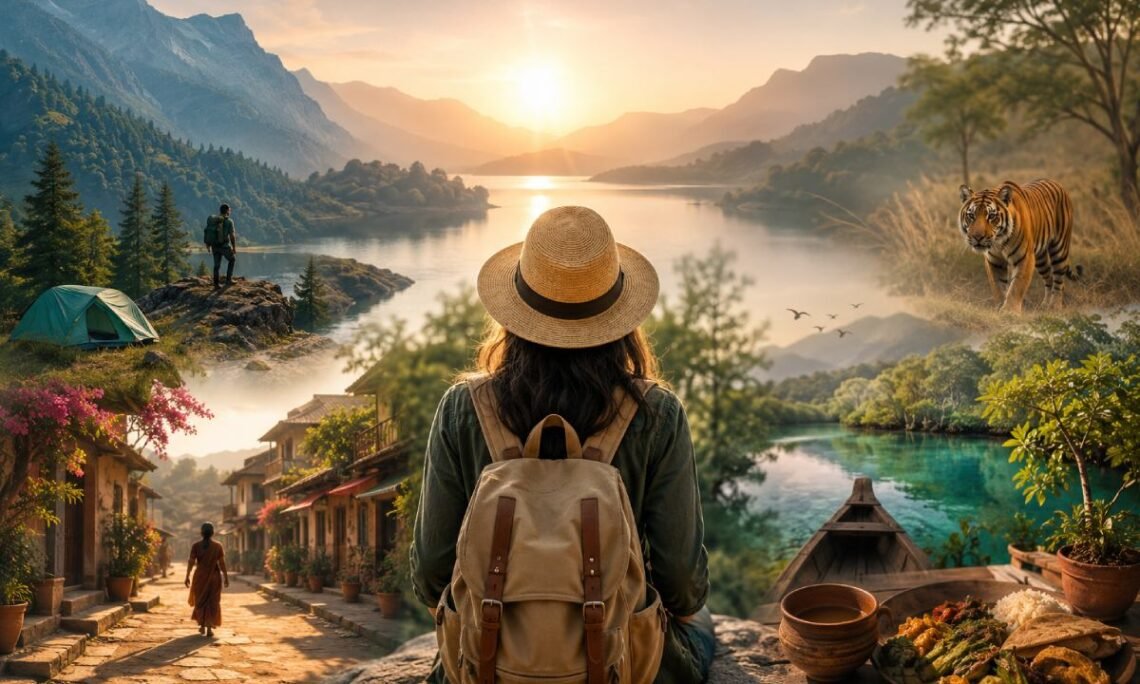
Travel is changing. For many people, a holiday is no longer simply about visiting famous landmarks, staying in a hotel, and returning home with photographs. Travellers are increasingly interested in experiences that feel personal, relaxing, cultural, adventurous, and memorable.
In India, domestic tourism continues to play an important role. Recent research found that 60% of Indian travellers preferred domestic holidays, while 82% said they planned to use or had already used artificial intelligence for vacation planning. Experience-led travel is also gaining attention, with many travellers planning trips around concerts, festivals, and performing arts.
These changes are creating a new style of travel where the quality of the experience can matter as much as the destination itself.
Travellers Are Looking Beyond Famous Attractions
Popular tourist attractions will always have their appeal, but many travellers are becoming interested in places that offer a quieter and more personal experience.
Instead of visiting only the most famous landmark in a city, travellers may explore local neighbourhoods, traditional markets, small restaurants, historic streets, natural areas, or lesser-known cultural attractions.
This type of travel can provide a stronger connection with the destination because visitors have more opportunities to observe local life.
The growing interest in niche and personalized escapes is one of the travel trends identified for 2026.
Short Trips Are Becoming More Practical
Busy lifestyles make it difficult for many people to take long vacations several times a year. Short trips can provide an alternative.
A weekend or three-day getaway can offer an opportunity to relax without requiring extensive time away from work or other responsibilities.
Travellers may choose nearby beaches, hill stations, heritage towns, wildlife areas, wellness retreats, or countryside destinations for these shorter breaks.
The growth of short domestic getaways is also being observed in India’s travel market, with travellers increasingly looking for smaller breaks that fit into busy schedules.
Nature Travel Offers a Break From Digital Life
Modern life is increasingly connected to smartphones, computers, social media, and online communication. As a result, some travellers are looking for destinations where they can spend more time outdoors.
Mountains, forests, beaches, lakes, valleys, and rural areas can provide opportunities to disconnect from digital distractions and spend time in nature.
Activities such as hiking, camping, cycling, birdwatching, photography, boating, and stargazing can make nature trips more engaging.
Nature travel can also encourage travellers to slow down and appreciate their surroundings rather than constantly moving from one attraction to another.
Wildlife Tourism Is Creating New Experiences
Wildlife tourism is another area attracting attention. Travellers are increasingly interested in observing animals and birds in their natural environments.
India has diverse wildlife destinations, from forests and grasslands to high-altitude ecosystems.
A notable development for the future of Indian wildlife tourism is the planned launch of the country’s first high-altitude wildlife safari in Ladakh during the winter season, offering opportunities to observe snow leopards and rare Himalayan birds.
Such experiences can combine adventure, nature, education, and conservation.
Responsible wildlife tourism is particularly important because sensitive ecosystems can be damaged by excessive visitor activity.
Cultural Travel Creates Deeper Connections
Culture is one of the strongest reasons people travel. Food, architecture, festivals, traditions, music, art, crafts, religion, and history can reveal how communities have developed over generations.
India offers a particularly diverse cultural travel environment. Different regions have distinct traditions, cuisines, languages, architecture, and celebrations.
Travellers can explore culture by visiting museums, heritage sites, local markets, traditional villages, historic neighbourhoods, festivals, and cultural performances.
Choosing local guides and businesses can also help visitors understand destinations from a local perspective.
Religious Tourism Continues to Grow
Religious and spiritual travel remains an important part of India’s tourism landscape. Pilgrimage destinations attract visitors for religious, cultural, historical, and personal reasons.
Recent reporting from Madhya Pradesh shows strong tourism activity around destinations such as Ujjain, Omkareshwar, and Maheshwar, with increased visitor numbers also contributing to demand for hotels and hospitality infrastructure.
Religious tourism can therefore influence not only travel patterns but also local businesses, accommodation, transportation, restaurants, and employment.
AI Is Changing the Way Trips Are Planned
Planning a holiday traditionally involved searching through travel websites, reading blogs, comparing hotels, checking maps, and creating an itinerary manually.
Artificial intelligence can now help organize many of these activities.
Travellers can use AI tools to generate itinerary ideas, compare destinations, identify activities, organize schedules, and find suggestions based on personal preferences.
The growing use of AI in travel planning is particularly noticeable among Indian travellers, with Allianz Partners reporting that 82% planned to use or had already used AI for vacation planning.
AI can save time, but travellers should still verify important information through reliable sources before making bookings.
Experience Is Becoming More Important Than Luxury
Luxury travel traditionally focused heavily on expensive hotels, premium transportation, and exclusive facilities. While luxury remains important to many travellers, experiences are becoming a bigger part of what people value.
A memorable local meal, a private cultural tour, a scenic train journey, a wildlife experience, or a unique activity can sometimes become more meaningful than simply staying in an expensive hotel.
The shift toward experience-led travel suggests that travellers increasingly want stories and memories they can take home.
Food Is Becoming a Travel Experience
Food is an important part of understanding a destination. Local dishes can reveal the history, geography, traditions, and lifestyle of a region.
Travellers can explore local cuisine through street food, traditional restaurants, food markets, cooking classes, regional festivals, and home-style dining experiences.
Trying local food can also encourage visitors to explore areas outside the usual tourist routes.
Food-focused travel can be particularly rewarding because it combines culture with a direct and enjoyable experience.
Wellness Travel Is Gaining Attention
Travel can also be an opportunity to focus on rest and personal well-being. Wellness trips may include yoga, meditation, spa treatments, healthy food, nature walks, fitness activities, or simply time away from a demanding routine.
Wellness does not always require an expensive retreat.
A quiet destination with clean surroundings, comfortable accommodation, outdoor activities, and fewer digital distractions can provide a relaxing break.
Travellers are increasingly creating trips around personal interests and life stages, making wellness one of the areas where personalized travel can become particularly relevant.
Responsible Travel Matters
Tourism can provide income and employment for local communities, but large numbers of visitors can also create pressure on destinations.
Overcrowding, waste, excessive water use, traffic, and environmental damage can affect popular tourist locations.
Responsible travel means respecting local communities, following environmental rules, avoiding litter, protecting wildlife, and supporting local businesses where possible.
Travellers can also choose less crowded destinations and travel during appropriate periods to reduce pressure on heavily visited areas.
Weather Should Be Part of Travel Planning
Weather can have a major impact on travel, particularly in India during the monsoon season.
As of August 11, 2026, the India Meteorological Department’s outlook includes significant rainfall across multiple parts of India, with risks such as heavy rain, thunderstorms, and flash flooding in some regions. Travellers heading toward affected areas should check official weather and local travel advisories before departure.
Good planning does not mean avoiding travel completely. It means understanding seasonal conditions and choosing destinations and activities appropriately.
Travel Can Support Local Economies
Tourism provides opportunities for hotels, restaurants, guides, transport operators, artisans, retailers, activity providers, and many other local businesses.
India’s tourism sector has a significant economic impact. A recent NITI Aayog report notes that domestic tourism has been a major driver, with 2.9 billion domestic tourist visits recorded in 2024.
When travellers choose local businesses, their spending can contribute more directly to destination communities.
The Future of Travel
The future of travel is likely to be more personalized, experience-driven, technology-assisted, and conscious of local communities and the environment.
Travellers may increasingly use AI to plan journeys, choose destinations according to specific interests, and create flexible itineraries.
At the same time, people may continue searching for authentic experiences, quieter destinations, local food, nature, culture, wellness, and meaningful connections.
The most successful destinations may therefore be those that offer memorable experiences while protecting the qualities that make them special.
Conclusion
Travel is becoming less about simply visiting as many places as possible and more about creating meaningful experiences.
Domestic tourism, short getaways, nature travel, wildlife experiences, cultural exploration, religious tourism, wellness, local food, and AI-assisted planning are all influencing modern travel.
For Indian travellers in particular, domestic destinations continue to offer enormous opportunities for exploration. From mountains and forests to heritage cities, beaches, spiritual centres, and wildlife landscapes, there are countless experiences available within the country.
The best journey is not necessarily the longest or most expensive one. It can be a short trip that provides relaxation, discovery, connection, and memories that remain meaningful long after returning home.
Frequently Asked Questions
What are the biggest travel trends in 2026?
Important trends include domestic travel, short getaways, personalized experiences, nature tourism, wildlife travel, cultural tourism, wellness trips, AI-assisted planning, and responsible tourism.
Why is domestic travel popular in India?
India offers a wide variety of landscapes, cultures, cuisines, heritage sites, spiritual destinations, and adventure experiences. Recent research also shows strong preference among Indian travellers for domestic holidays.
How can AI help with travel planning?
AI can help create itineraries, suggest destinations, organize activities, compare options, and personalize travel ideas according to individual preferences.
What is experience-led travel?
Experience-led travel focuses on activities and meaningful interactions rather than simply visiting famous attractions. Examples include local food experiences, cultural activities, wildlife tours, festivals, and adventure activities.
What is slow travel?
Slow travel involves spending more time in fewer destinations and exploring them at a relaxed pace rather than trying to visit many places within a short period.
Why is wildlife tourism becoming popular?
Wildlife tourism allows travellers to observe animals and birds in natural environments while learning about ecosystems and conservation.
What is responsible tourism?
Responsible tourism means travelling in ways that respect local communities, cultures, wildlife, natural environments, and available resources.
Why is local food important when travelling?
Local food can provide insight into the culture, history, traditions, and lifestyle of a destination while creating a memorable travel experience.
How can travellers stay safe during monsoon travel?
Travellers should check official weather forecasts, local advisories, road conditions, transportation updates, and destination-specific warnings before travelling during periods of heavy rainfall.
What will travel look like in the future?
Travel is likely to become increasingly personalized and technology-assisted, while travellers continue seeking authentic experiences, nature, culture, wellness, local food, and responsible ways to explore destinations.