Fashion is much more than choosing clothes to wear. It is a form of personal expression that reflects culture, lifestyle, creativity, personality, and changing social trends. From everyday outfits to luxury collections, fashion influences how people present themselves and how they perceive the world around them.
The fashion industry continues to evolve as designers, brands, influencers, celebrities, and consumers introduce new ideas and reinterpret classic styles. At the same time, people are becoming more interested in comfortable clothing, sustainable fashion, versatile wardrobes, and styles that reflect their individuality.
Whether you enjoy minimalist outfits, streetwear, traditional clothing, luxury fashion, casual wear, or experimental styles, understanding the basics of fashion can help you develop a wardrobe that feels both stylish and personal.
What Is Fashion?
Fashion refers to popular styles of clothing, accessories, footwear, hairstyles, and overall appearance during a particular period. It can include everything from everyday clothing to designer collections and cultural dress.
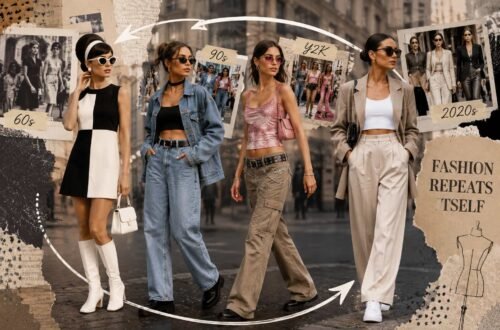
Fashion changes continuously. A style that becomes popular today may eventually disappear and return years later in a new form. This constant evolution makes fashion one of the most dynamic creative industries.
However, following fashion does not necessarily mean wearing every trend. Personal style is about selecting trends, colors, silhouettes, and materials that suit your personality and lifestyle.
Why Is Fashion Important?
Fashion plays an important role in communication and self-expression. The clothes a person chooses can influence how they feel and how others perceive them.
A professional outfit may create a different impression from casual streetwear, while traditional clothing can communicate cultural identity and heritage. Fashion can also help people feel confident when they are comfortable with what they are wearing.
Beyond personal style, fashion is a major global industry involving designers, manufacturers, retailers, photographers, stylists, models, marketers, textile producers, and many other professionals.
The Evolution of Fashion
Fashion has changed significantly throughout history. Clothing styles have been influenced by social movements, technology, economic conditions, music, cinema, art, politics, and cultural exchange.
Earlier fashion trends often developed slowly and were strongly connected to specific regions and social groups. Today, the internet allows trends to spread around the world almost instantly.
Social media platforms have made it possible for people to discover new styles from different countries and communities. A particular outfit can become popular globally within a short period because of creators, celebrities, or viral content.
The Difference Between Fashion and Personal Style
Fashion and personal style are related, but they are not the same.
Fashion represents broader trends that become popular within the industry and among consumers. Personal style is how an individual chooses to interpret those trends.
For example, oversized clothing may become fashionable, but one person might combine an oversized shirt with jeans and sneakers, while another might pair it with tailored trousers and accessories.
Personal style develops through experimentation. You do not need to follow every trend to look fashionable. Understanding what suits you can be more valuable than simply copying popular outfits.
The Importance of Finding Your Personal Style
Finding personal style can make getting dressed easier and more enjoyable. Instead of buying clothes simply because they are trending, you can focus on pieces that fit your lifestyle, body proportions, preferences, and daily activities.
Some people prefer clean and minimalist clothing, while others enjoy bold colors and statement pieces. Some prefer classic fashion, while others enjoy streetwear or experimental combinations.
Your personal style can also change over time. Changes in lifestyle, career, interests, age, and environment can naturally influence the way you dress.
Fashion and Seasonal Trends
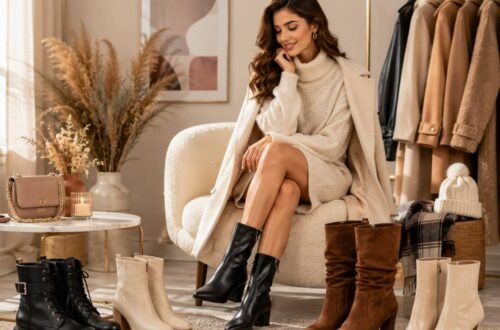
Fashion trends often change with the seasons. Spring and summer collections may emphasize lighter fabrics, brighter colors, relaxed silhouettes, and breathable clothing. Autumn and winter styles often introduce layering, heavier fabrics, coats, jackets, boots, and deeper colors.
Seasonal fashion does not mean completely replacing your wardrobe every few months. Many pieces can work throughout the year when combined with appropriate layers and accessories.
Building a versatile wardrobe allows you to adapt to changing weather and trends without constantly purchasing new clothing.
The Rise of Streetwear Fashion
Streetwear has become one of the most influential areas of contemporary fashion. Originally associated with youth culture, skateboarding, hip-hop, and urban communities, streetwear has increasingly influenced mainstream and luxury fashion.
Sneakers, oversized shirts, hoodies, graphic designs, cargo trousers, denim, and relaxed silhouettes are common elements of streetwear.
One reason streetwear has become so popular is its combination of comfort and individuality. People can create distinctive looks without relying on formal or traditional clothing.
The Role of Accessories in Fashion
Accessories can completely change the appearance of an outfit. Bags, watches, sunglasses, belts, scarves, jewelry, hats, and footwear can add personality to otherwise simple clothing.
Accessories are also useful for creating different looks from the same basic wardrobe. A simple outfit can appear casual with sneakers and a backpack or more polished with structured footwear and accessories.
The key is balance. Too many statement pieces can make an outfit visually overwhelming, while carefully selected accessories can create a more coordinated appearance.
The Importance of Colors in Fashion
Color is one of the easiest ways to change the mood of an outfit. Neutral colors such as black, white, beige, grey, and navy can create a clean and versatile foundation.
Brighter colors can add energy and personality, while earthy shades can create a more relaxed appearance.
Understanding which colors work well together can make outfit coordination easier. However, fashion does not have strict rules. Experimenting with unexpected combinations can sometimes create the most interesting looks.
Fashion and Comfort
Modern consumers increasingly want clothing that combines appearance with comfort.
People spend significant amounts of time working, travelling, studying, shopping, and socializing, which means clothing needs to suit different activities.
Comfortable fabrics, practical designs, flexible silhouettes, and functional footwear have therefore become increasingly important.
Comfort does not mean sacrificing style. A well-fitted, comfortable outfit can often look more polished than clothing chosen purely because it follows a trend.
Sustainable Fashion
Sustainability has become an increasingly important topic in the fashion industry.
Traditional fashion production can involve significant use of water, energy, raw materials, transportation, and packaging. Fast-changing consumption patterns can also contribute to textile waste.
Sustainable fashion focuses on reducing environmental impact through approaches such as longer-lasting clothing, responsible material choices, repair, reuse, recycling, resale, and more thoughtful purchasing.
Consumers can contribute by buying fewer pieces, selecting versatile clothing, caring for garments properly, and considering quality and longevity rather than purchasing solely because something is temporarily trending.
The Growth of Thrift and Second-Hand Fashion
Second-hand fashion has become increasingly popular among consumers looking for affordable, unique, and potentially more sustainable clothing options.
Thrift stores, resale platforms, vintage shops, and clothing exchanges allow people to give garments another life.
Vintage fashion can also provide styles that are difficult to find in mainstream stores. Mixing vintage pieces with modern clothing can create distinctive outfits while reducing the need to purchase everything new.
Fashion and Technology
Technology has transformed how fashion is designed, produced, marketed, and purchased.
Online shopping allows consumers to explore brands from different countries without visiting physical stores. Digital fitting tools, personalized recommendations, virtual showrooms, and advanced manufacturing technologies are also changing the shopping experience.
Designers increasingly use digital tools to create concepts, visualize garments, experiment with materials, and develop collections.
Social media has also become a major source of fashion inspiration, allowing trends to move rapidly between designers, creators, brands, and consumers.
The Influence of Social Media on Fashion
Social media has dramatically changed fashion discovery. Consumers can now see outfit ideas from influencers, celebrities, designers, stylists, and everyday users.
Short-form videos and visual platforms can turn an outfit, accessory, color combination, or styling technique into a trend very quickly.
However, social media can also encourage excessive consumption. Because new trends appear constantly, consumers may feel pressure to keep purchasing new clothing.
Developing a personal style can help reduce this pressure by making it easier to distinguish between a trend you genuinely like and one you simply see frequently online.
Fashion and Cultural Identity
Fashion is closely connected to culture. Traditional clothing, textiles, embroidery, patterns, colors, and craftsmanship can communicate a community’s history and heritage.
Modern fashion often combines traditional elements with contemporary silhouettes. Designers around the world reinterpret cultural techniques to create clothing that feels modern while maintaining connections to heritage.
Cultural fashion can therefore serve both an aesthetic and historical purpose.
How to Build a Versatile Wardrobe
A versatile wardrobe does not need to contain hundreds of pieces. The goal is to have clothing that works together across different occasions.
Neutral basics can provide a foundation, while statement pieces can add personality. A combination of casual, professional, seasonal, and occasion-specific clothing can cover most everyday requirements.
Before purchasing something new, consider whether it can be combined with several items you already own. This simple approach can reduce unnecessary purchases while making outfit planning easier.
Fashion for Different Occasions
Different occasions often require different approaches to clothing.
Work environments may call for professional and polished outfits, while casual gatherings allow greater flexibility. Weddings, parties, formal events, travel, and outdoor activities each have their own practical and social considerations.
Understanding the occasion is often more important than following the latest trend.
A fashionable outfit should fit the environment as well as the individual wearing it.
How to Look Stylish Without Following Every Trend
Looking stylish does not require purchasing every new trend. Fit, coordination, cleanliness, and confidence can have a greater impact on overall appearance.
Start with clothing that fits properly and works with your existing wardrobe. Add interesting colors, textures, accessories, or footwear when you want to create variety.
Classic pieces can remain useful for years, while selected trend-driven items can keep your wardrobe feeling current.
The best fashion choices are often those that combine timeless elements with a few modern details.
The Future of Fashion
The future of fashion is likely to be shaped by sustainability, technology, personalization, changing consumer expectations, and new approaches to production.
Digital shopping experiences may become more personalized, while technology could help consumers understand fit, materials, and styling before purchasing.
At the same time, consumers may continue moving toward quality, resale, sustainable materials, multifunctional clothing, and more conscious purchasing.
Fashion will continue to change, but creativity and self-expression will remain at its center.
Frequently Asked Questions About Fashion
What is fashion?
Fashion is the expression of style through clothing, footwear, accessories, colors, materials, and overall appearance. It changes over time and is influenced by culture, society, designers, media, and consumer preferences.
Why is fashion important?
Fashion allows people to express their personality, culture, lifestyle, and creativity. It also plays a major role in the global economy and supports many creative and manufacturing industries.
What is personal style?
Personal style is the way an individual chooses clothing, accessories, colors, and other appearance elements to create a look that reflects their preferences and personality.
What is fast fashion?
Fast fashion refers to a business model focused on producing clothing quickly in response to current trends, often at relatively low prices. It has raised concerns about environmental impact, textile waste, and consumption patterns.
What is sustainable fashion?
Sustainable fashion focuses on reducing the environmental and social impact of clothing production and consumption. It can involve durable products, responsible materials, reuse, repair, resale, and more conscious purchasing.
Is streetwear still popular?
Yes. Streetwear continues to influence contemporary fashion through casual silhouettes, sneakers, hoodies, graphic clothing, denim, cargo styles, and other urban-inspired pieces.
How can I improve my fashion style?
Start by understanding what colors, fits, silhouettes, and clothing categories you genuinely enjoy. Build a versatile wardrobe and experiment with accessories and combinations rather than simply copying every trend.
Do I need expensive clothes to look fashionable?
No. Price does not automatically determine style. Proper fit, coordination, quality, grooming, and confidence can make affordable clothing look stylish.
How often should I change my wardrobe?
There is no fixed schedule. Replace clothing when it becomes worn out, no longer fits, or no longer suits your lifestyle. Buying fewer versatile pieces can often be more practical than constantly replacing your wardrobe.
How does social media influence fashion?
Social media allows trends and styling ideas to spread quickly. Influencers, celebrities, designers, and everyday users can all influence what people discover and purchase.
What is the difference between fashion and style?
Fashion refers to broader trends and popular designs, while style refers to how an individual interprets clothing and creates their own appearance.
Is sustainable fashion more expensive?
Sustainable fashion can sometimes have a higher upfront price because of materials, craftsmanship, and production methods. However, durable clothing can provide better long-term value if it lasts longer and is worn frequently.
Conclusion
Fashion is an ever-changing combination of creativity, culture, technology, and personal expression. Trends will continue to change, but the most important part of fashion is finding a style that makes you feel comfortable and confident.
From streetwear and seasonal clothing to sustainable fashion and timeless classics, there are countless ways to create a unique appearance. You do not need to follow every trend or own an expensive wardrobe to dress well.
The best approach is to understand your personal preferences, choose clothing thoughtfully, experiment with different combinations, and develop a style that feels authentic to you.