
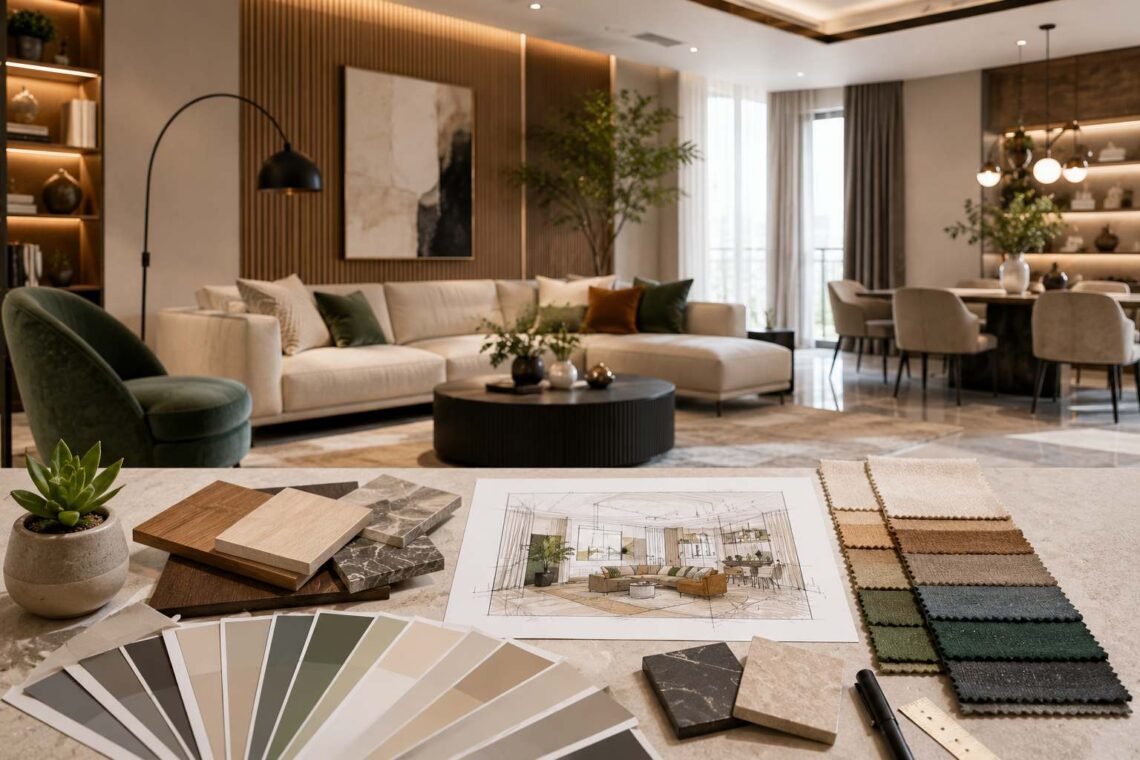
A well-designed interior can completely change the way a space looks and feels. Interior design is not only about choosing attractive furniture or fashionable colors. It involves planning the space carefully so that every element contributes to comfort, functionality, and visual appeal.
Whether you are decorating a new home, renovating an existing property, or designing a commercial space, the right interior design can create an environment that feels welcoming and reflects your personality.
Start With a Clear Design Concept
Before purchasing furniture or selecting decorative items, develop a clear design concept. Decide what kind of atmosphere you want to create and identify the style that best represents your preferences.
A clear concept makes it easier to choose colors, materials, furniture, lighting, and accessories that work together.
Make the Most of Natural Light
Natural light can make interiors feel brighter, larger, and more comfortable. Keep windows as open as possible and use curtains or blinds that allow sufficient daylight to enter.
Mirrors can also help reflect natural light and create a brighter appearance, particularly in smaller rooms.
Choose a Consistent Color Palette
A coordinated color palette can create harmony throughout an interior. Neutral colors such as white, beige, grey, and soft earthy tones can provide a timeless foundation.
You can add personality with accent colors through cushions, artwork, rugs, curtains, or decorative accessories.
Use Furniture According to the Space
Furniture should be selected according to the size and layout of the room. Large furniture can make a small room feel crowded, while too little furniture can make a large room appear incomplete.
Measure the available space before purchasing furniture and leave enough room for comfortable movement.
Add Different Textures
Textures can make an interior more interesting and inviting. Combine materials such as wood, glass, metal, stone, cotton, linen, and soft fabrics to create visual variety.
For example, a wooden coffee table combined with a fabric sofa and textured rug can create a warm and comfortable living room.
Create Smart Storage Solutions
Storage is an essential part of modern interior design. Well-planned storage helps keep the home organized while reducing visual clutter.
Built-in wardrobes, modular cabinets, floating shelves, storage beds, and multifunctional furniture can provide practical storage without taking up unnecessary space.
Focus on Comfortable Lighting
Lighting should serve both practical and decorative purposes. Use general lighting for overall illumination, task lighting for activities such as reading or working, and accent lighting to highlight specific features.
Layered lighting can make a room more flexible and create different moods throughout the day.
Add Greenery to Your Interior
Indoor plants can add freshness and natural beauty to an interior. Plants can be placed in living rooms, bedrooms, balconies, offices, and other suitable areas.
Choose plants according to the amount of sunlight and maintenance they require.
Personalize Your Space
Your interior should reflect your personality rather than looking like a showroom. Family photographs, artwork, books, travel souvenirs, handmade products, and other meaningful objects can make a space feel personal.
Personal touches can also make a simple interior feel unique and welcoming.
Pay Attention to Flooring
Flooring plays an important role in the overall appearance of a room. Wooden flooring can provide warmth, tiles can offer durability, and carpets can add softness and comfort.
The flooring should complement the walls, furniture, and overall design theme.
Use Mirrors Strategically
Mirrors can be useful for both decoration and space enhancement. When placed correctly, they can reflect light and create the impression of additional space.
Large mirrors can work particularly well in living rooms, bedrooms, hallways, and compact apartments.
Keep the Design Practical
A beautiful interior should also be easy to maintain. Consider cleaning requirements, durability, accessibility, and everyday use when selecting materials and furniture.
For homes with children or pets, durable and easy-to-clean materials may be more practical than delicate finishes.
Avoid Excessive Decoration
Too many decorative items can make an interior look cluttered. Instead of filling every available surface, select a few meaningful pieces that complement the overall design.
Leaving some empty space can actually make a room appear more elegant and organized.
Consider Professional Guidance
Interior design projects can involve many decisions, including layouts, materials, colors, furniture, lighting, and budgets. Professional interior designers can help coordinate these elements and create a cohesive design.
They can also provide creative solutions for difficult layouts and help make better use of available space.
Conclusion
Good interior design combines creativity with practical planning. From choosing the right colors and furniture to improving lighting and storage, every decision can influence the comfort and appearance of a space.
The best interior is not necessarily the most expensive one. It is a space that feels comfortable, functions efficiently, reflects your personality, and remains appealing over time. With thoughtful planning and the right design approach, you can transform almost any space into a beautiful and functional environment.
FAQs
What is the purpose of interior design?
Interior design aims to improve the functionality, comfort, appearance, and overall experience of an indoor space.
How can I make my interior look more modern?
Use clean layouts, simple furniture, coordinated colors, contemporary lighting, natural materials, and minimal decoration to create a modern appearance.
How can I make a small room look bigger?
Use light colors, mirrors, appropriate furniture, natural light, smart storage, and an uncluttered layout to create a more spacious appearance.
What makes a good interior design?
A good interior design balances aesthetics, functionality, comfort, space planning, lighting, materials, and personal preferences.
Can plants improve interior design?
Yes. Indoor plants can introduce natural elements, color, texture, and freshness while adding visual interest to a room.