Technology has become an essential part of everyday life. From smartphones and cloud platforms to artificial intelligence, smart devices, automation, and digital communication, technology continues to influence how people work, learn, shop, travel, communicate, and manage their daily activities.
What once seemed like futuristic innovation is now becoming part of ordinary life. Businesses use technology to improve operations, customers use digital platforms to access products and services, and individuals rely on connected devices for communication, entertainment, education, and productivity.
The impact of technology is not limited to computers or smartphones. It is transforming industries, changing consumer expectations, creating new career opportunities, and encouraging businesses to rethink how they deliver value.
What Is Technology?
Technology refers to the tools, systems, processes, machines, and techniques developed to solve problems and make tasks easier or more efficient. It includes everything from simple tools to sophisticated digital platforms, software, robotics, artificial intelligence, communication networks, and advanced computing systems.
Modern technology is increasingly connected. A smartphone can communicate with cloud services, smart appliances can connect to the internet, businesses can analyze information in real time, and software applications can automate tasks that previously required manual work.
This growing connectivity has made technology an important part of both personal and professional environments.
How Technology Is Changing Everyday Life
Technology has changed many everyday activities. People can communicate instantly with someone on the other side of the world, order products online, make digital payments, attend virtual meetings, access educational resources, and manage services through mobile applications.
Smartphones have become especially important because they combine communication, entertainment, navigation, banking, photography, shopping, and information access in a single device.
Technology has also made many services more convenient. Instead of visiting a physical location for every task, people can increasingly complete activities online. This saves time and gives consumers greater flexibility.
The Growing Role of Artificial Intelligence
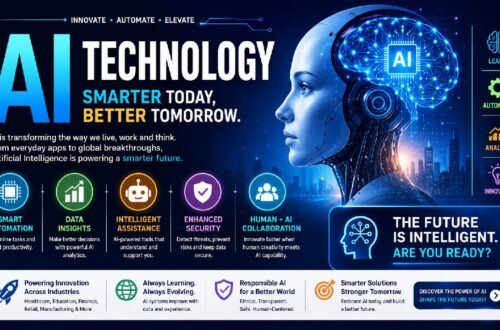
Artificial intelligence is becoming one of the most influential areas of modern technology. AI systems can analyze large amounts of information, recognize patterns, generate content, assist with decision-making, and automate certain repetitive tasks.
Businesses are using AI in areas such as customer support, marketing, data analysis, software development, personalization, and workflow automation.
For individuals, AI-powered tools can help with research, writing, learning, organization, translation, and creative work. However, responsible use remains important because AI-generated information should be reviewed for accuracy, context, and reliability.
The value of AI is not simply in replacing human work. In many situations, its greater potential is helping people work faster, explore ideas, and focus more attention on tasks requiring human judgment and creativity.
Technology and the Future of Work
Technology has significantly changed the workplace. Employees can collaborate through digital platforms, work remotely, share documents through cloud services, and communicate through video conferencing.
Automation is also changing how companies handle repetitive processes. Software can manage certain administrative activities, organize information, generate reports, and support customer interactions.
As technology evolves, the workplace is likely to place greater importance on digital skills, adaptability, creativity, communication, problem-solving, and continuous learning.
Technology does not simply eliminate old roles. It can also create new professions and industries that did not previously exist.
The Importance of Cloud Computing
Cloud computing has changed the way individuals and businesses store, access, and manage digital information. Instead of depending entirely on local computers or physical storage devices, users can access applications and data through internet-connected services.
For businesses, cloud technology can provide flexibility and scalability. Teams can collaborate from different locations, access shared resources, and expand their digital infrastructure according to changing requirements.
Cloud-based systems have also supported the growth of remote work, online collaboration, software-as-a-service platforms, and digital businesses.
Technology in Education
Education has become more accessible through technology. Students can use online courses, digital libraries, educational applications, interactive learning platforms, and virtual classrooms to access information from almost anywhere.
Teachers can use digital tools to create presentations, assignments, assessments, and interactive learning experiences.
Technology can also support personalized learning by allowing students to explore topics at their own pace. However, technology should complement effective teaching rather than completely replace the human interaction and guidance that are important to education.
Technology in Healthcare
Technology is playing an increasingly important role in healthcare. Digital health records, telemedicine, medical imaging, wearable devices, diagnostic technologies, and data analysis tools are helping healthcare professionals improve the way information is collected and used.
Wearable technology can also help individuals monitor certain aspects of their daily activity and provide useful information that may support healthier habits.
At the same time, healthcare technology requires strong attention to privacy, security, accuracy, and responsible handling of sensitive information.
Smart Homes and Connected Devices
Smart home technology is changing how people interact with their living spaces. Connected lights, security systems, thermostats, appliances, cameras, and entertainment devices can be controlled through smartphones or voice interfaces.
The concept of the Internet of Things allows physical devices to communicate with one another and exchange information.
A connected home can improve convenience and, in some situations, energy efficiency and security. However, users should also consider device security and privacy when connecting household products to the internet.
Technology and Digital Payments
Digital payment technology has made financial transactions faster and more convenient. Mobile payment applications, online banking, contactless payments, and digital wallets allow people to transfer and manage money without relying entirely on physical cash.
For businesses, digital payments can make transactions easier to manage and provide customers with more payment options.
As financial technology develops, security becomes increasingly important. Strong authentication, secure applications, responsible password management, and awareness of online scams can help users protect their financial information.
Technology and Cybersecurity
As people and businesses become more dependent on technology, cybersecurity becomes increasingly important.
Cyber threats can include phishing, malware, account theft, data breaches, social engineering, and other forms of digital attacks. Businesses need security strategies to protect systems, customer information, financial data, and intellectual property.
Individuals also play an important role in digital security. Using strong passwords, enabling multi-factor authentication, keeping software updated, and being cautious with unexpected messages or links can reduce common security risks.
Technology creates opportunities, but those opportunities must be supported by responsible security practices.
How Technology Is Changing Businesses
Technology has transformed the way businesses reach customers and manage operations. Websites, social media, digital advertising, e-commerce platforms, customer relationship management systems, analytics tools, and automation allow companies to operate and compete in increasingly digital markets.
Small businesses can also use technology to reach audiences beyond their local areas. An online store, for example, can allow a business to sell products to customers in different regions.
Data analytics can help businesses understand customer behavior, identify trends, measure performance, and make more informed decisions.
The Importance of Digital Transformation
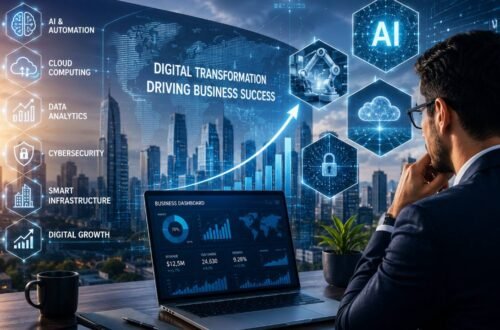
Digital transformation is more than simply purchasing new software. It involves changing how an organization operates by using technology to improve processes, customer experiences, decision-making, and business models.
Successful digital transformation requires people, processes, and technology to work together.
Businesses that adopt technology without understanding their actual problems may spend money without achieving meaningful results. A better approach is to identify business challenges first and then select technologies that can provide practical solutions.
Technology and Sustainability
Technology can also contribute to sustainability. Renewable energy systems, smart grids, energy-efficient devices, electric transportation, intelligent building systems, and data-driven resource management can help reduce waste and improve efficiency.
Technology itself, however, also creates environmental challenges. Electronic waste, energy consumption, manufacturing processes, and the disposal of old devices require attention.
The future of technology therefore involves not only creating more advanced products but also developing more responsible and sustainable ways to design, manufacture, use, and recycle them.
The Challenges of Rapid Technological Growth
Despite its many advantages, technology creates challenges. Privacy concerns, cybersecurity threats, digital addiction, misinformation, job disruption, unequal access, and the growing complexity of digital systems are important issues.
There is also a digital divide between people and communities with strong access to technology and those who have limited access to reliable internet, devices, or digital education.
Addressing these challenges requires responsible innovation, digital literacy, strong policies, ethical development, and greater access to technology.
What Does the Future of Technology Look Like?
The future of technology will likely involve even greater connectivity and automation. Artificial intelligence, robotics, advanced computing, connected devices, renewable energy technologies, biotechnology, and immersive digital experiences may continue to influence different parts of society.
The most important development may not be a single technology but the way different technologies work together.
For example, AI can combine with cloud computing, connected devices, data analytics, and automation to create systems capable of responding to information in real time.
Businesses and individuals that remain adaptable and continue developing their digital skills will be better positioned to take advantage of these changes.
Frequently Asked Questions About Technology
What is technology?
Technology is the collection of tools, systems, processes, machines, and techniques created to solve problems, improve efficiency, and make activities easier or more effective.
Why is technology important?
Technology is important because it improves communication, productivity, education, healthcare, transportation, business operations, entertainment, and access to information.
How is artificial intelligence changing technology?
Artificial intelligence allows software systems to analyze information, recognize patterns, automate certain tasks, generate content, and assist with decision-making. It is becoming increasingly useful across many industries.
How does technology help businesses?
Technology can help businesses improve productivity, reach customers, automate processes, analyze data, manage operations, communicate with teams, and create new products and services.
Is technology important for small businesses?
Yes. Small businesses can use websites, social media, digital marketing, e-commerce, cloud applications, analytics, and automation to improve their visibility, efficiency, and customer experience.
What is cloud computing?
Cloud computing allows users to access computing resources, applications, storage, and services through internet-based infrastructure rather than depending entirely on local hardware.
How does technology affect education?
Technology gives students and teachers access to digital learning platforms, online resources, virtual classrooms, educational applications, and interactive learning tools.
What are the disadvantages of technology?
Potential disadvantages include privacy risks, cybersecurity threats, excessive screen time, misinformation, job disruption, electronic waste, and unequal access to digital resources.
How can people stay safe while using technology?
People can improve digital safety by using strong passwords, enabling multi-factor authentication, keeping software updated, avoiding suspicious links, using trusted networks, and protecting personal information.
What technologies are shaping the future?
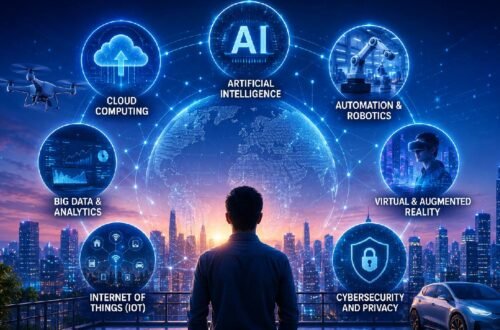
Artificial intelligence, robotics, cloud computing, the Internet of Things, advanced computing, renewable energy technology, automation, and connected digital systems are among the technologies expected to influence the future.
Conclusion
Technology has moved far beyond being a collection of electronic devices. It has become a fundamental part of modern society and continues to influence how people communicate, work, learn, shop, travel, manage businesses, and solve problems.
The biggest opportunity lies in using technology thoughtfully. Businesses can use digital tools to improve customer experiences and efficiency, while individuals can use technology to learn, communicate, and become more productive.
As innovation continues, the future will depend not only on how advanced technology becomes but also on how responsibly people and organizations use it. Understanding technology, adapting to change, and developing digital skills can help individuals and businesses make better use of the opportunities created by the digital world.